Mendocino Woodlands Recreational Demonstration Area

Why it's listed
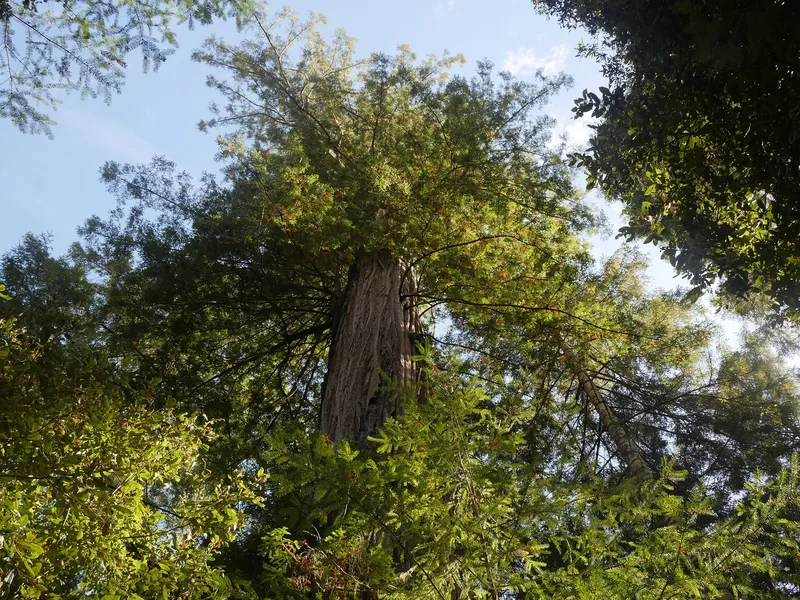
Mendocino Woodlands is a 720-acre state park set in a second-growth Coast Redwood canyon about nine miles inland from the northern California coast. Built in the 1930s on the site of the abandoned logging town of Boyles, it was one of 46 Recreational Demonstration Areas created to turn worn-out lands into recreation space. The National Park Service supervised design, while Civilian Conservation Corps and Works Progress Administration crews did the work. Three group camps and an administration area sit along the Little North Fork of Big River, separated by forest and topography. All buildings are Old Growth Redwood with board and batten or shake siding and stone fireplaces, and a single unpaved dirt road ends in a cul-de-sac. The first camp opened in 1938 and all three were complete by 1943. Few changes have been made since. It is the only such area in California and the only one in a Redwood forest, and it is regarded as having the best integrity of any in the country.
Machine-generated summary. This summary was generated by a language model from the official nomination document and has not been reviewed line by line by an editor. It may contain errors. Check the source document before relying on any detail. Source: nomination document (PDF) · catalog entry. Generated October 2026 (model claude-sonnet-5-5, prompt v1.0-2026-10-29).
| Styles | Bungalow/Craftsman; NPS Rustic |
|---|---|
| Areas of significance | Landscape Architecture, Architecture, Conservation, Politics/Government, Community Planning and Development |
| Acreage | 720 |
| Boundary source | NPS cultural-resource GIS polygon |
| Full listing page | Mendocino Woodlands Recreational Demonstration Area (property record) |
What listing means for this property
This is a historic district. Buildings within its boundary are either contributing (they add to the district's significance) or non-contributing. Owners of contributing income-producing buildings can claim the 20% federal rehabilitation tax credit; homeowners should look at state credits. National Register districts impose no design review by themselves; a local historic district ordinance, if one exists, does (the difference explained).
General information, not legal or tax advice. Rules change; confirm with your State Historic Preservation Office or a qualified adviser.