McCloud

Why it's listed
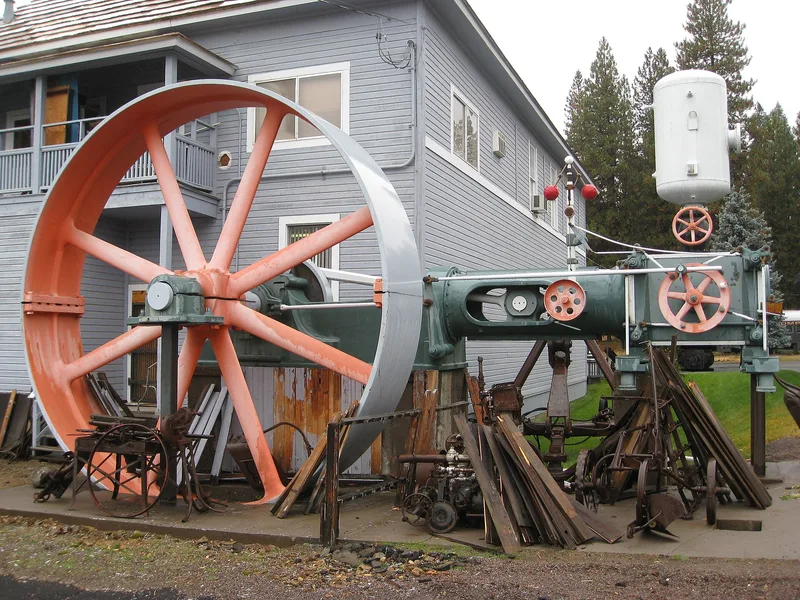
McCloud's historic district preserves the core of a Northern California lumber company town on the slopes of Mt. Shasta. It includes the commercial center along Main Street, modest weatherboard homes, three churches, and buildings from the McCloud River Lumber Company's administration. Seventeen buildings contribute, dating from the 1890s to the 1930s, with most built before 1920. Many are log-sided in a rustic style, including the railroad depot, the Catholic church and the company manager's house, while the hotel shows a more refined Colonial Revival look. The town grew from small sawmill settlements of the 1880s after investors incorporated the McCloud River Railroad in 1896. The company then ran the town until 1963, operating the store, hotel, offices and railroad that linked logging camps to national markets. The district is recognized for its link to that company and for being a rare, well-preserved example of a company town in California, with a period of significance of 1899 to 1940.
Machine-generated summary. This summary was generated by a language model from the official nomination document and has not been reviewed line by line by an editor. It may contain errors. Check the source document before relying on any detail. Source: nomination document (PDF) · catalog entry. Generated October 2026 (model claude-sonnet-5-5, prompt v1.0-2026-10-29).
| Period of significance | 1899-1940 |
|---|---|
| Styles | Late Gothic Revival; Neo-classical Revival; Other: rustic |
| Areas of significance | Industry, Community Planning and Development, Architecture |
| Acreage | 13 |
| Boundary source | NPS cultural-resource GIS polygon |
| Full listing page | McCloud (property record) |
What listing means for this property
This is a historic district. Buildings within its boundary are either contributing (they add to the district's significance) or non-contributing. Owners of contributing income-producing buildings can claim the 20% federal rehabilitation tax credit; homeowners should look at state credits. National Register districts impose no design review by themselves; a local historic district ordinance, if one exists, does (the difference explained).
General information, not legal or tax advice. Rules change; confirm with your State Historic Preservation Office or a qualified adviser.