Mare Island Naval Shipyard

Why it's listed
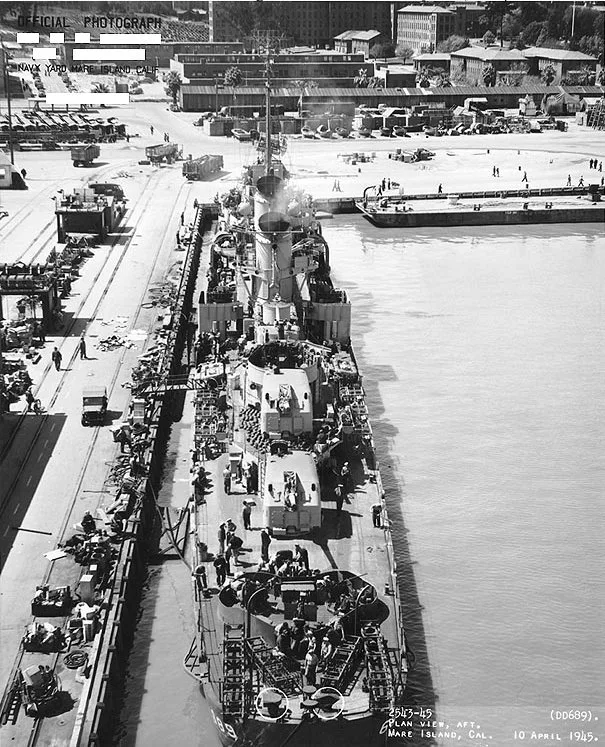
Mare Island Naval Shipyard, in Vallejo, California, was established in September 1854 as the U.S. Navy's first permanent installation on the Pacific coast. The nominated district is made up of four areas covering about 150 acres of a much larger working yard. Area A holds the earliest brick shops, the 1855 administration building, the Steam Engineering Complex and Foundry of 1858, steel coal sheds of about 1900, Drydock 1, officers' quarters along Walnut Avenue and Saint Peter's Chapel. Area B has stone and brick powder magazines and a base cemetery established in 1856. Area C includes the 1889 hospital, a stable and Marine officers' quarters, and Area D has four relocated 1888 officers' residences. The yard is significant for naval firsts on the Pacific: the first warship built there in 1859, the first drydock, the Navy's first oil-burning conversion, and later nuclear submarines. It also turned out nearly 400 ships in World War II.
Machine-generated summary. This summary was generated by a language model from the official nomination document and has not been reviewed line by line by an editor. It may contain errors. Check the source document before relying on any detail. Source: nomination document (PDF) · catalog entry. Generated October 2026 (model claude-sonnet-5-5, prompt v1.0-2026-10-29).
| Period of significance | 1854-1974 |
|---|---|
| Areas of significance | Military, Invention |
| Acreage | 150 |
| Boundary source | NPS cultural-resource GIS polygon |
| Full listing page | Mare Island Naval Shipyard (property record) |
What listing means for this property
This is a historic district. Buildings within its boundary are either contributing (they add to the district's significance) or non-contributing. Owners of contributing income-producing buildings can claim the 20% federal rehabilitation tax credit; homeowners should look at state credits. National Register districts impose no design review by themselves; a local historic district ordinance, if one exists, does (the difference explained).
General information, not legal or tax advice. Rules change; confirm with your State Historic Preservation Office or a qualified adviser.