Larkspur Downtown Historic District

Why it's listed
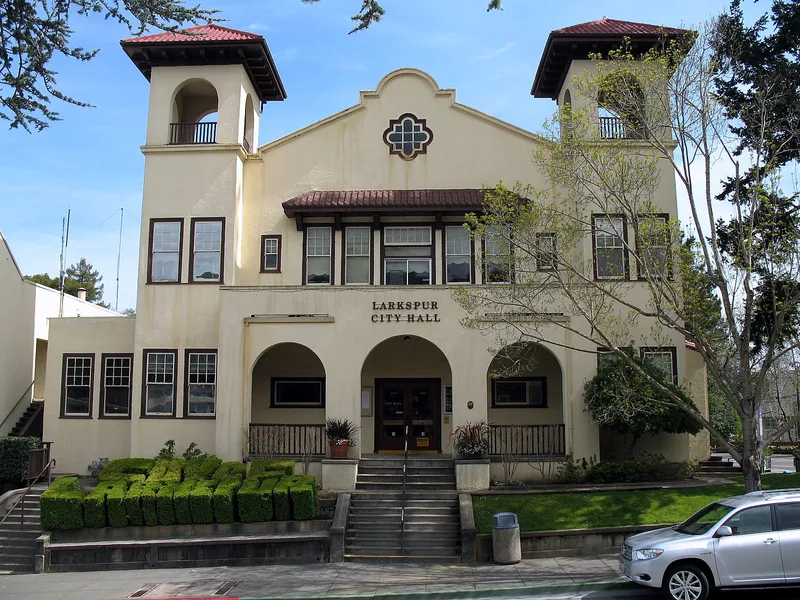
Magnolia Avenue in Larkspur, Marin County, forms the core of the town's Old Downtown, a district of 52 structures stretching from the Lark Creek Inn to the Lark Theatre and the railroad station. The area grew after land developer C. W. Wright bought the King family dairy ranch in 1875, auctioned lots, and persuaded the railroad to build a station. The 1929 Mission Revival station still stands at the district's eastern edge. Magnolia Avenue, once called the County Road, became a main north-south route through Marin County, and the Blue Rock Hotel drew visitors from San Francisco from the 1890s through Prohibition. Today the original commercial area remains the main commercial area, with the hotel, bank, theatre, barber shop and grocery still in business use. Styles range from Italianate and Queen Anne to Mission Revival and bungalow. About 72 percent of the buildings, mostly commercial structures built between 1880 and 1930, survive, and the original scale of most remains intact.
Machine-generated summary. This summary was generated by a language model from the official nomination document and has not been reviewed line by line by an editor. It may contain errors. Check the source document before relying on any detail. Source: nomination document (PDF) · catalog entry. Generated October 2026 (model claude-sonnet-5-5, prompt v1.0-2026-10-29).
| Period of significance | 1890's-1930's |
|---|---|
| Styles | Mixed styles: Greek Revival, Italianate, Queen Anne, Mission Revival, California bungalow |
| Areas of significance | Commerce, Architecture |
| Acreage | 14.4 |
| Boundary source | NPS cultural-resource GIS polygon |
| Full listing page | Larkspur Downtown Historic District (property record) |
What listing means for this property
This is a historic district. Buildings within its boundary are either contributing (they add to the district's significance) or non-contributing. Owners of contributing income-producing buildings can claim the 20% federal rehabilitation tax credit; homeowners should look at state credits. National Register districts impose no design review by themselves; a local historic district ordinance, if one exists, does (the difference explained).
General information, not legal or tax advice. Rules change; confirm with your State Historic Preservation Office or a qualified adviser.