Jackson Downtown Historic District

Why it's listed
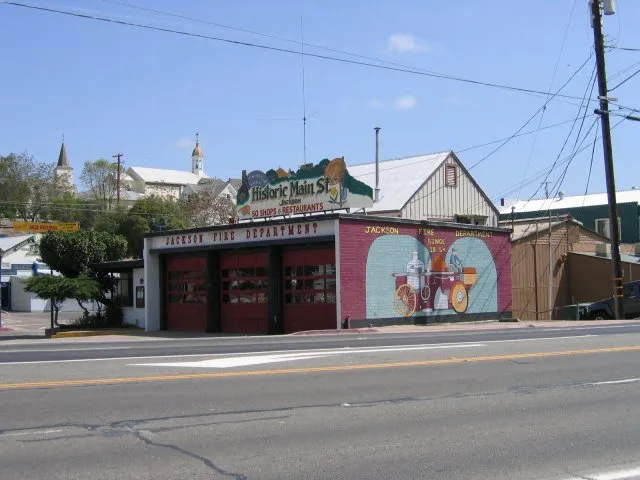
Jackson's downtown is a compact historic district of about 14 acres along Main, Water, Court, Summit and California Streets. Commercial activity began here in 1850, and brick buildings started replacing canvas and log structures in 1854. A fire in 1862 led to much of the area being rebuilt in brick, and twenty buildings from that period remain, including the county courthouse. Later construction filled in Main Street near California Street by the 1890s and replaced most of Chinatown's wood-frame buildings by 1910. Of the district's resources, 58 contribute to its historic character and 18 do not. Most buildings are small, narrow, brick structures with storefronts, parapets and flat or gabled roofs. Notable examples include the National Hotel (1863), the Oddfellows' Hall (1863), the former Globe Hotel (1858), the four-story Krabbenhoft Building (1931) and the Moderne-style courthouse remodeling of 1940. The district was recognized for its contributions to commerce, government and social history between 1857 and 1949, and it still serves shoppers and visitors.
Machine-generated summary. This summary was generated by a language model from the official nomination document and has not been reviewed line by line by an editor. It may contain errors. Check the source document before relying on any detail. Source: nomination document (PDF) · catalog entry. Generated October 2026 (model claude-sonnet-5-5, prompt v1.0-2026-10-29).
| Period of significance | 1857-1949 |
|---|---|
| Styles | Classical Revival; Mission/Spanish Colonial Revival; Modern |
| Areas of significance | Commerce, Politics/Government, Social History |
| Acreage | 14 |
| Boundary source | NPS cultural-resource GIS polygon |
| Full listing page | Jackson Downtown Historic District (property record) |
What listing means for this property
This is a historic district. Buildings within its boundary are either contributing (they add to the district's significance) or non-contributing. Owners of contributing income-producing buildings can claim the 20% federal rehabilitation tax credit; homeowners should look at state credits. National Register districts impose no design review by themselves; a local historic district ordinance, if one exists, does (the difference explained).
General information, not legal or tax advice. Rules change; confirm with your State Historic Preservation Office or a qualified adviser.