Hensley Historic District

Why it's listed
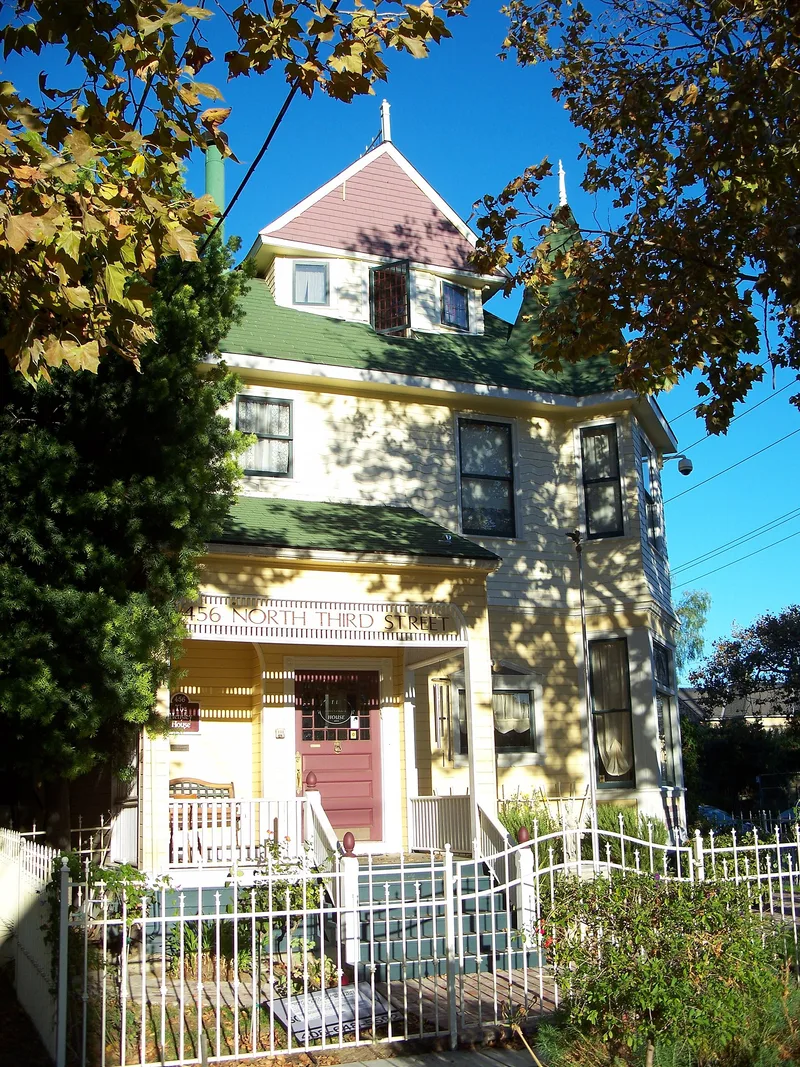
North of downtown San Jose lies a neighborhood of 279 properties, 207 of them contributing, built mostly between 1865 and 1930 on a street grid surveyed in 1848 and finalized in 1850. Most buildings are still single family homes, in styles ranging from Italianate and Queen Anne to San Francisco Stick and early bungalows. Third Street became the prestige address, lined with ornate Queen Anne villas, while Fourth, Fifth and Sixth Streets hold smaller houses and cottages built for business owners and working families. Horse-drawn railroads, the Southern Pacific line and electric streetcars ran through the area, and their locations appear to have shaped the value and stature of the homes. North Fifth Street, laid out 100 feet wide, now has a landscaped median. The district is considered the largest surviving concentration of intact Victorian residences in San Jose, home to industry founders, financiers, civic leaders, merchants and laborers. Many buildings have been altered, yet the overall character remains intact.
Machine-generated summary. This summary was generated by a language model from the official nomination document and has not been reviewed line by line by an editor. It may contain errors. Check the source document before relying on any detail. Source: nomination document (PDF) · catalog entry. Generated October 2026 (model claude-sonnet-5-5, prompt v1.0-2026-10-29).
| Period of significance | 1865-1918 |
|---|---|
| Styles | Victorian styles including Classic Revival, Italianate, Queen Anne, San Francisco Stick, mixed revivals, and early 20th century bungalows |
| Areas of significance | Historic - Non-Aboriginal, Exploration/Settlement, Architecture |
| Acreage | 59 |
| Boundary source | NPS cultural-resource GIS polygon |
| Full listing page | Hensley Historic District (property record) |
What listing means for this property
This is a historic district. Buildings within its boundary are either contributing (they add to the district's significance) or non-contributing. Owners of contributing income-producing buildings can claim the 20% federal rehabilitation tax credit; homeowners should look at state credits. National Register districts impose no design review by themselves; a local historic district ordinance, if one exists, does (the difference explained).
General information, not legal or tax advice. Rules change; confirm with your State Historic Preservation Office or a qualified adviser.