French Park Historic District

Why it's listed
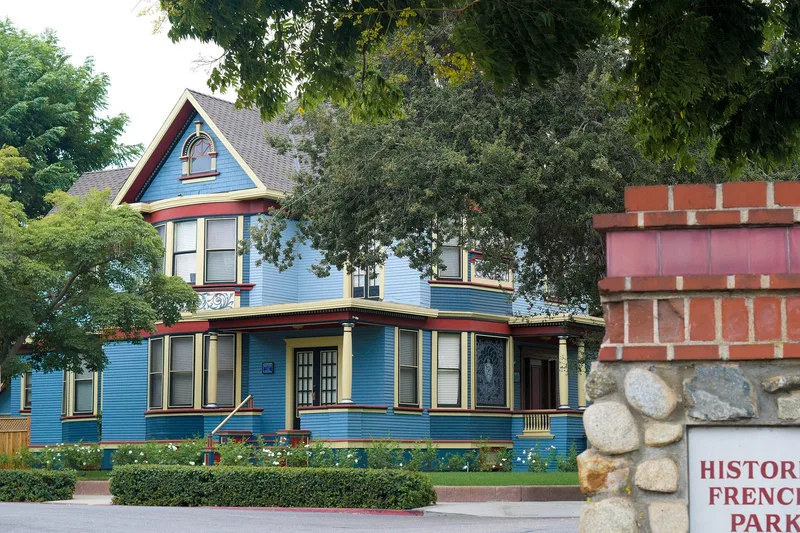
French Park is a residential neighborhood in Santa Ana, just northeast of the downtown historic district. Its triangular layout dates to the 1878 platting of Santa Ana East. In the late 1890s, prominent citizens began building large Neo-classical and Colonial Revival homes in the southern half, earning the area the nickname "The Nob Hill of Orange County." Large Craftsman bungalows followed in the 1910s in the north, and smaller bungalows fill the eastern streets. During the 1920s and 1930s, Spanish Colonial Revival fourplex apartments were added, and more fourplexes and duplexes arrived in the late 1930s as the city grew. Many big houses became rooming houses in the 1940s and 1950s, and most have since returned to single-family use and are being restored. Mature palms, pepper trees and live oaks line the wide streets. The district holds 131 contributing buildings and one contributing site, and it received local historic district status in 1984.
Machine-generated summary. This summary was generated by a language model from the official nomination document and has not been reviewed line by line by an editor. It may contain errors. Check the source document before relying on any detail. Source: nomination document (PDF) · catalog entry. Generated October 2026 (model claude-sonnet-5-5, prompt v1.0-2026-10-29).
| Styles | Colonial/Neo-classical Revival, Spanish Colonial Revival, Tudor, Italianate, Craftsman |
|---|---|
| Areas of significance | Exploration/Settlement, Architecture, Social History, Community Planning and Development |
| Acreage | 45 |
| Boundary source | NPS cultural-resource GIS polygon |
| Full listing page | French Park Historic District (property record) |
What listing means for this property
This is a historic district. Buildings within its boundary are either contributing (they add to the district's significance) or non-contributing. Owners of contributing income-producing buildings can claim the 20% federal rehabilitation tax credit; homeowners should look at state credits. National Register districts impose no design review by themselves; a local historic district ordinance, if one exists, does (the difference explained).
General information, not legal or tax advice. Rules change; confirm with your State Historic Preservation Office or a qualified adviser.