Forts Baker, Barry, and Cronkhite
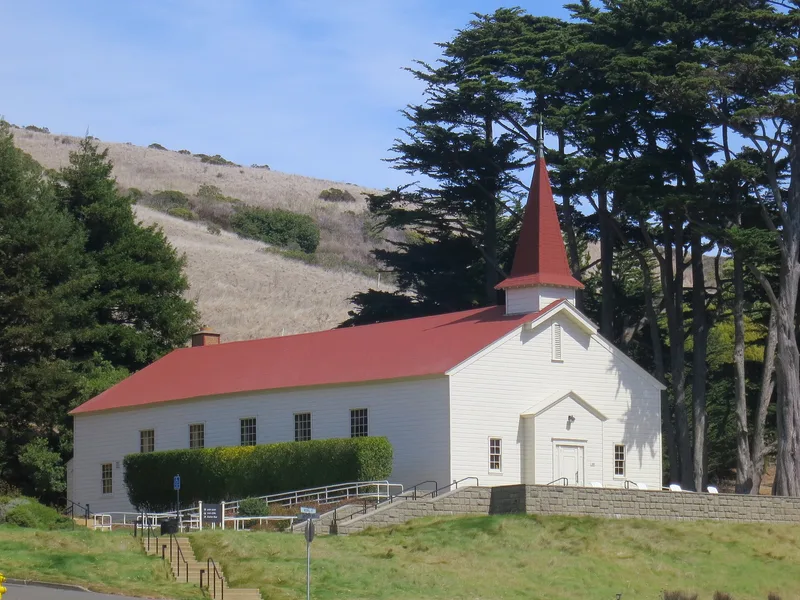

Why it's listed
Spread across 2,279 acres of hills and tidelands on the north side of the Golden Gate near Sausalito, Forts Baker, Barry and Cronkhite form a district of coastal defense works. The batteries were built to stop hostile ships from passing through the Golden Gate into San Francisco Bay, supporting the fortifications at the Presidio of San Francisco. Construction began in earnest in the Endicott period (1890-1910), when batteries were laid out so that each backed up the next, from the Pacific side to the bay. Later work responded to changing threats between the world wars, to anti-aircraft and motor torpedo boat defense in World War II, and to NIKE missile sites built in 1955. Armament ranged from 3-inch guns to 16-inch guns. Only two batteries have been destroyed, and fifteen remain in good condition, now disarmed. The concrete and steel structures illustrate the age of coastal artillery and the growth of national defense.
Machine-generated summary. This summary was generated by a language model from the official nomination document and has not been reviewed line by line by an editor. It may contain errors. Check the source document before relying on any detail. Source: nomination document (PDF) · catalog entry. Generated October 2026 (model claude-sonnet-5-5, prompt v1.0-2026-10-29).
| Areas of significance | Military |
|---|---|
| Acreage | 25 |
| Boundary source | NPS cultural-resource GIS polygon |
| Full listing page | Forts Baker, Barry, and Cronkhite (property record) |
What listing means for this property
This is a historic district. Buildings within its boundary are either contributing (they add to the district's significance) or non-contributing. Owners of contributing income-producing buildings can claim the 20% federal rehabilitation tax credit; homeowners should look at state credits. National Register districts impose no design review by themselves; a local historic district ordinance, if one exists, does (the difference explained).
General information, not legal or tax advice. Rules change; confirm with your State Historic Preservation Office or a qualified adviser.