Cowell Lime Works Historic District

Why it's listed
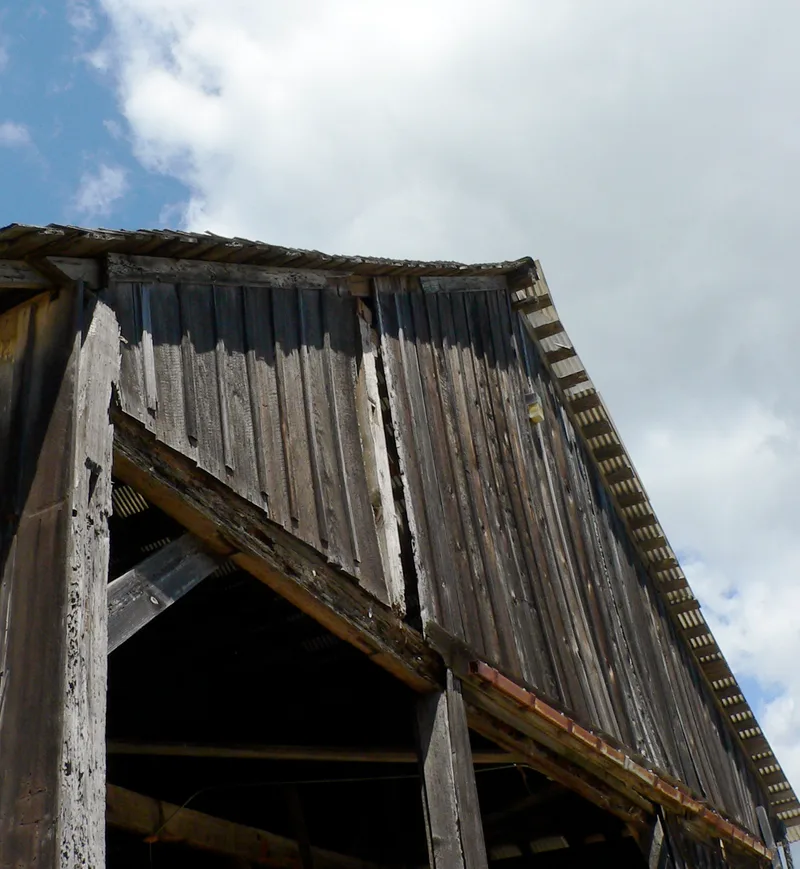
Just inside the main entrance of the University of California, Santa Cruz, a cluster of stone kilns and weathered wooden buildings marks the former Cowell Lime Works. Lime production began here in 1853 and the site grew into a full industrial and ranch complex by 1861, centered on Jordan Gulch. Limestone and redwood fuel came from the hills above, and the lime was burned in kilns, packed into barrels made in the cooperage and shipped to market. The district covers about 30 acres and includes the kilns, cooperage, tramway trestle, cookhouse, horse barn, granary, paymaster's house, worker cabins and a ranch house built in 1864. Construction of Coolidge Drive in the 1960s removed part of the cooperage and changed the setting, though the road follows the old lime road. Several buildings now serve university uses such as admissions, a theater and a daycare. The period of significance runs from 1853 to 1920.
Machine-generated summary. This summary was generated by a language model from the official nomination document and has not been reviewed line by line by an editor. It may contain errors. Check the source document before relying on any detail. Source: nomination document (PDF) · catalog entry. Generated October 2026 (model claude-sonnet-5-5, prompt v1.0-2026-10-29).
| Period of significance | 1853-1920 |
|---|---|
| Styles | Late Victorian: Italianate; Timber Frame Construction; Vernacular; Limekilns: pot and continuous |
| Areas of significance | Industry |
| Acreage | 32 |
| Boundary source | NPS cultural-resource GIS polygon |
| Full listing page | Cowell Lime Works Historic District (property record) |
What listing means for this property
This is a historic district. Buildings within its boundary are either contributing (they add to the district's significance) or non-contributing. Owners of contributing income-producing buildings can claim the 20% federal rehabilitation tax credit; homeowners should look at state credits. National Register districts impose no design review by themselves; a local historic district ordinance, if one exists, does (the difference explained).
General information, not legal or tax advice. Rules change; confirm with your State Historic Preservation Office or a qualified adviser.