Columbia Historic District

Why it's listed
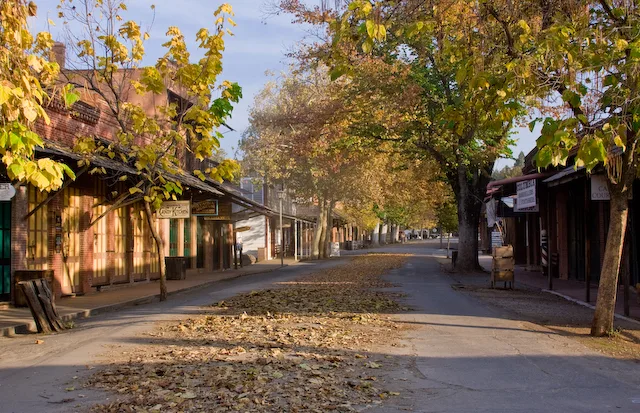
Columbia is a former gold rush town four miles northwest of Sonora in California's Mother Lode country. Rich placer gold was found there in March 1850, and a vast network of ditches, flumes and a 60-mile aqueduct later brought the water needed to work the deposits. By the mid-1850s the town had thousands of residents, hotels, saloons, stores, churches and fraternal halls. Fires in 1854 and 1857 destroyed the early frame buildings, and the town was rebuilt chiefly in brick with iron doors and shutters to resist fire. Mining declined after 1860, yet Columbia was never fully abandoned, and its population stayed near 500. Because of that continuity, many original buildings survive and few modern structures intrude. The historic core was set aside as a state park in 1945, and 39 historic structures are included, among them hotels, banks, stores, firehouses, churches and a school. Restored interiors show the gold rush period, and the district was recognized as an outstanding example of a mining town.
Machine-generated summary. This summary was generated by a language model from the official nomination document and has not been reviewed line by line by an editor. It may contain errors. Check the source document before relying on any detail. Source: nomination document (PDF) · catalog entry. Generated October 2026 (model claude-sonnet-5-5, prompt v1.0-2026-10-29).
| Period of significance | 1850-1858 |
|---|---|
| Styles | Gold rush mining town architecture; brick fire-resistant commercial buildings, with Gothic Revival churches |
| Areas of significance | Exploration/Settlement, Architecture |
| Boundary source | NPS cultural-resource GIS polygon |
| Full listing page | Columbia Historic District (property record) |
What listing means for this property
This is a historic district. Buildings within its boundary are either contributing (they add to the district's significance) or non-contributing. Owners of contributing income-producing buildings can claim the 20% federal rehabilitation tax credit; homeowners should look at state credits. National Register districts impose no design review by themselves; a local historic district ordinance, if one exists, does (the difference explained).
General information, not legal or tax advice. Rules change; confirm with your State Historic Preservation Office or a qualified adviser.