Boulevard Heights Historic District

Why it's listed
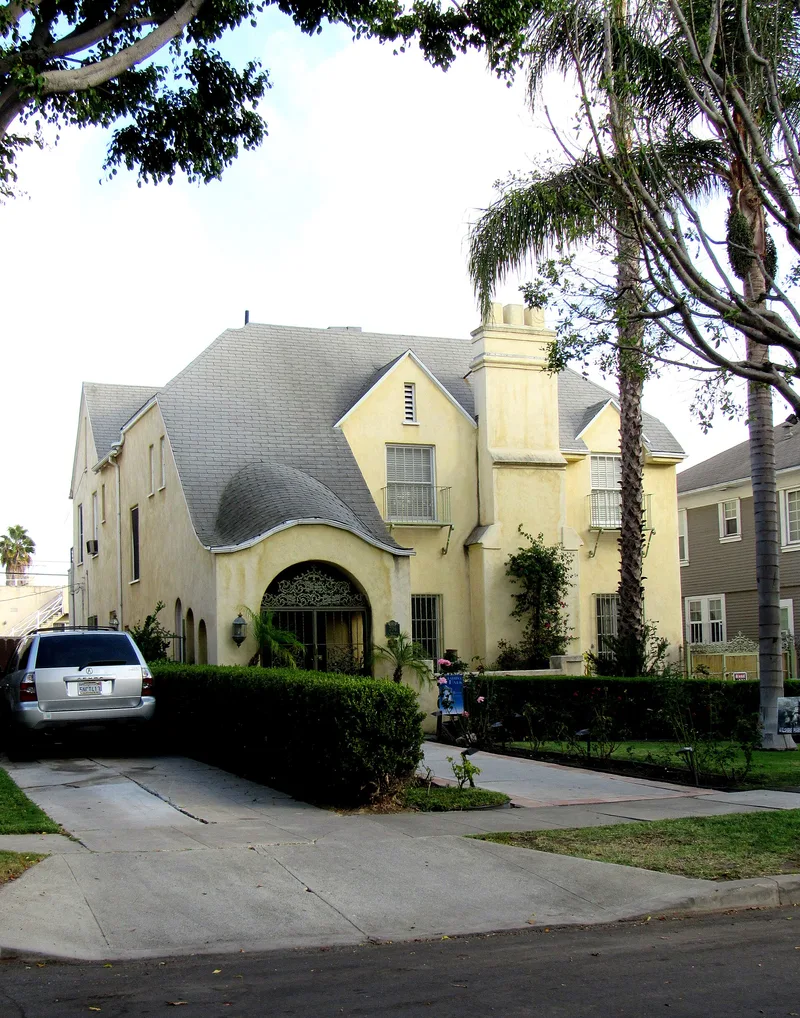
Boulevard Heights is a two-block residential district on South Bronson Avenue, just south of Wilshire Boulevard, about five miles west of downtown Los Angeles. It was laid out in 1905 by developers Robert McGarvin and Marcus Alonzo Bronson. Its 81 lots hold two-story, wood-frame single-family houses, mostly set back about 30 feet behind lawns and palm-lined parkways. Styles include Craftsman, Mediterranean, Spanish Colonial Revival and Dutch Colonial Revival, built mainly between 1912 and 1926. Garages sit at the rear of each lot, and utility poles run along the rear property lines, keeping the streetscape uncluttered. The district was listed for two reasons. It reflects the city's rapid growth through annexation, streetcar expansion and real estate speculation in the early twentieth century. It also keeps a cohesive, well-preserved set of homes designed for upper-middle-class families, several by architects who later became prominent. A small number of houses were moved here during the period of significance.
Machine-generated summary. This summary was generated by a language model from the official nomination document and has not been reviewed line by line by an editor. It may contain errors. Check the source document before relying on any detail. Source: nomination document (PDF) · catalog entry. Generated October 2026 (model claude-sonnet-5-5, prompt v1.0-2026-10-29).
| Period of significance | 1905-1926 |
|---|---|
| Styles | Late 19th and Early 20th Century Revivals (Colonial Revival, Mediterranean Revival, Mission/Spanish Colonial Revival, Tudor Revival) and American Movements (Craftsman) |
| Areas of significance | Community Planning and Development, Architecture |
| Acreage | 15.3 |
| Boundary source | NPS cultural-resource GIS polygon |
| Full listing page | Boulevard Heights Historic District (property record) |
What listing means for this property
This is a historic district. Buildings within its boundary are either contributing (they add to the district's significance) or non-contributing. Owners of contributing income-producing buildings can claim the 20% federal rehabilitation tax credit; homeowners should look at state credits. National Register districts impose no design review by themselves; a local historic district ordinance, if one exists, does (the difference explained).
General information, not legal or tax advice. Rules change; confirm with your State Historic Preservation Office or a qualified adviser.