Berylwood

Why it's listed
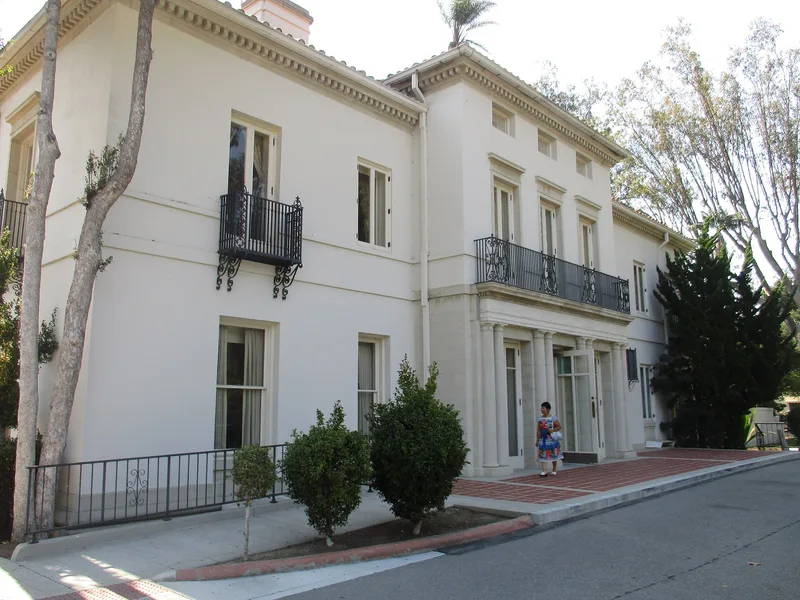
Berylwood is the former estate of Thomas R. Bard, now part of the U.S. Naval Construction Battalion Center at Port Hueneme, California. The district covers about 62 acres and includes the main Bard House, the Richard Bard House (built 1910 and enlarged between 1918 and 1926), a guest house known as the Doll House (1925), a milk house, a swimming pool, tennis courts, and botanical gardens planted between 1871 and 1915. Bard came to California in 1865 and became a leading figure in early oil development, helping form Union Oil Company of California in 1890. He also built Hueneme Wharf in 1871, which made Hueneme a major grain shipping port, and he served as a Santa Barbara County supervisor while Ventura County was being formed. He was a U.S. Senator from 1900 to 1905. The gardens hold about 260 rare trees representing 78 species. The Navy acquired the property in 1951 and continues to use and preserve it.
Machine-generated summary. This summary was generated by a language model from the official nomination document and has not been reviewed line by line by an editor. It may contain errors. Check the source document before relying on any detail. Source: nomination document (PDF) · catalog entry. Generated October 2026 (model claude-sonnet-5-5, prompt v1.0-2026-10-29).
| Areas of significance | Industry, Landscape Architecture, Commerce, Politics/Government |
|---|---|
| Acreage | 2 |
| Boundary source | NPS cultural-resource GIS polygon |
| Full listing page | Berylwood (property record) |
What listing means for this property
This is a historic district. Buildings within its boundary are either contributing (they add to the district's significance) or non-contributing. Owners of contributing income-producing buildings can claim the 20% federal rehabilitation tax credit; homeowners should look at state credits. National Register districts impose no design review by themselves; a local historic district ordinance, if one exists, does (the difference explained).
General information, not legal or tax advice. Rules change; confirm with your State Historic Preservation Office or a qualified adviser.