Asilomar Conference Grounds

Why it's listed
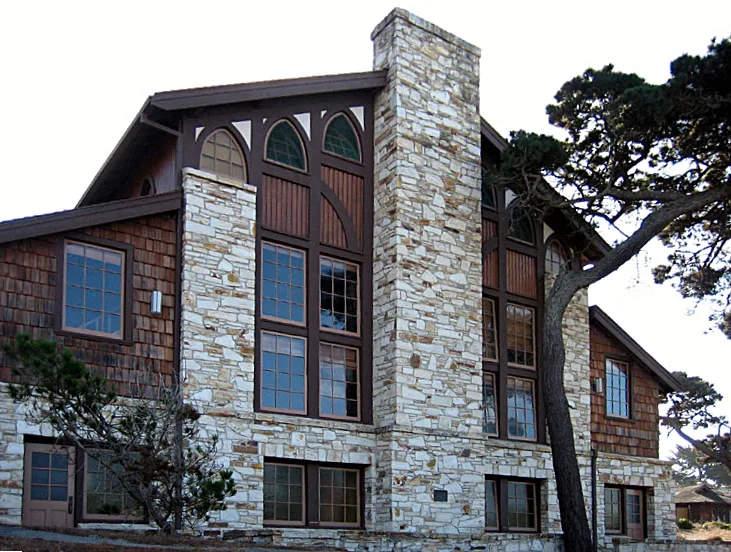
Asilomar Conference Grounds is a historic complex of 11 buildings set among dunes and Monterey pines beside the ocean in Pacific Grove, California. The Young Women's Christian Association established it in 1913 as its western conference and camp site, on land donated by the Pacific Improvement Company with strong support from Phoebe Apperson Hearst. Architect Julia Morgan designed every historic building, the entrance gates and the road plan between 1913 and 1928, using redwood shingles, split logs and rough granite in a rustic Craftsman style. Key structures include the Administration Building, Memorial Chapel, Crocker Dining Hall and Merrill Hall, once the largest auditorium on the Monterey peninsula. The YWCA sold the property to the State of California in 1956, and newer lodging and meeting buildings now surround the historic core. The grounds are valued for their association with women's recreation and leadership programs and as a major work by Morgan.
Machine-generated summary. This summary was generated by a language model from the official nomination document and has not been reviewed line by line by an editor. It may contain errors. Check the source document before relying on any detail. Source: nomination document (PDF) · catalog entry. Generated October 2026 (model claude-sonnet-5-5, prompt v1.0-2026-10-29).
| Period of significance | 1913-36 |
|---|---|
| Styles | Rustic "Craftsman" |
| Areas of significance | Entertainment/Recreation |
| Acreage | 9 |
| Boundary source | NPS cultural-resource GIS polygon |
| Full listing page | Asilomar Conference Grounds (property record) |
What listing means for this property
This is a historic district. Buildings within its boundary are either contributing (they add to the district's significance) or non-contributing. Owners of contributing income-producing buildings can claim the 20% federal rehabilitation tax credit; homeowners should look at state credits. National Register districts impose no design review by themselves; a local historic district ordinance, if one exists, does (the difference explained).
General information, not legal or tax advice. Rules change; confirm with your State Historic Preservation Office or a qualified adviser.