Allensworth Historic District

Why it's listed
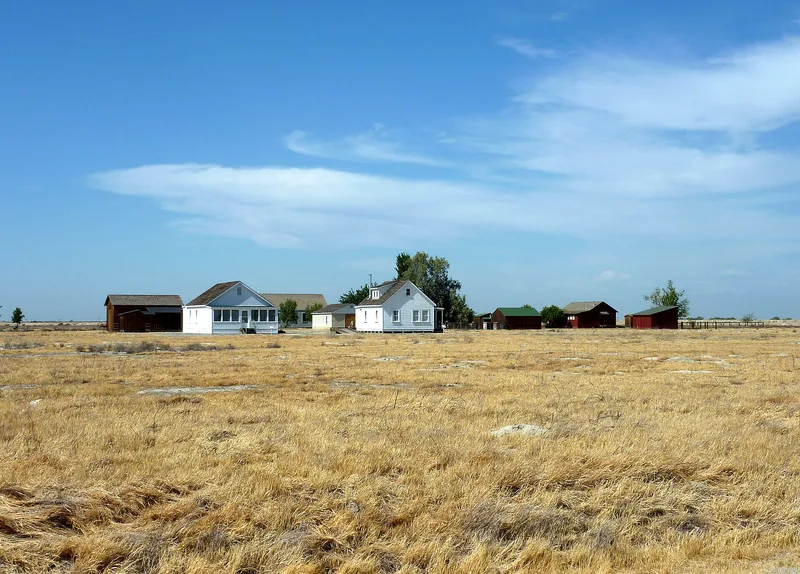
Allensworth is a small farming townsite in the southern San Joaquin Valley of Tulare County, California, founded on August 3, 1908 by Col. Allen Allensworth and the California Colony and Home Promotion Association. It began with eight commercial and public buildings, including a school, church, library, hotel and post office, plus 31 houses. The district covers about 150 acres, and no single architectural style dominates. Many homes, including the founder's, need extensive repair, while the 1912 wood-frame school remains in excellent condition and in use. The town was listed because it is described as California's only community founded, financed and governed by Black Americans. Its school helped defend the right of Black children to an education between 1913 and 1915, and its citizens influenced political actions across the state. Col. Allensworth was a former slave who rose to the rank of lieutenant colonel as an army chaplain. State plans call for preservation and restoration as a historic park.
Machine-generated summary. This summary was generated by a language model from the official nomination document and has not been reviewed line by line by an editor. It may contain errors. Check the source document before relying on any detail. Source: nomination document (PDF) · catalog entry. Generated October 2026 (model claude-sonnet-5-5, prompt v1.0-2026-10-29).
| Period of significance | 20th Century; founding date August 3, 1908; preservation program focuses on 1908-1918 |
|---|---|
| Styles | No dominant architectural style |
| Areas of significance | Agriculture, Military, Black, Education, Politics/Government, Religion, Social History |
| Acreage | 60 |
| Boundary source | NPS cultural-resource GIS polygon |
| Full listing page | Allensworth Historic District (property record) |
What listing means for this property
This is a historic district. Buildings within its boundary are either contributing (they add to the district's significance) or non-contributing. Owners of contributing income-producing buildings can claim the 20% federal rehabilitation tax credit; homeowners should look at state credits. National Register districts impose no design review by themselves; a local historic district ordinance, if one exists, does (the difference explained).
General information, not legal or tax advice. Rules change; confirm with your State Historic Preservation Office or a qualified adviser.